"I am more in love with fashion than ever"
This is style stories, an interview series where I ask guests about their relationship to clothes over the course of their life and how external influences have shaped it. I focus on the ways that women are able to reject societal expectations about what they should wear. Every guest answers the same questions.
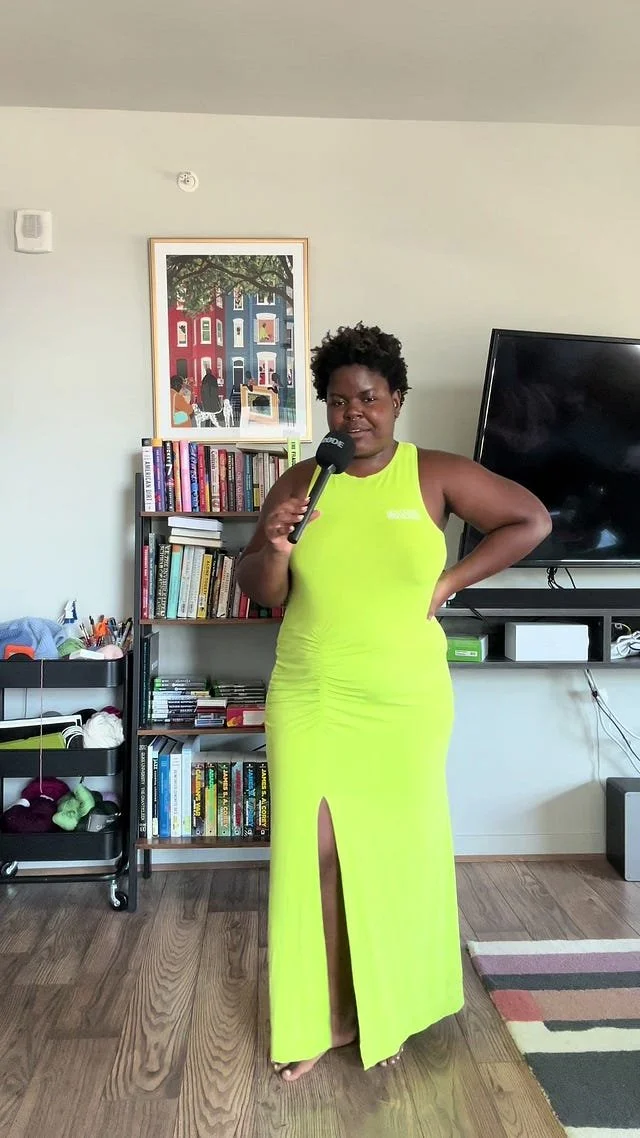
I discovered Mbiye through TikTok where I was drawn in by both her colorful style and her insightful takes on everything from women being financially dependent on men to the gig economy. Her style is obviously delightful, but even more than that, she seems to have an enviable sense of “bien dans sa peau” (a term I first learned with Ajiri Aki’s style story), or feeling good in her own skin. You’re going to love this one — enjoy!
Note: this post is delightfully image heavy, so if you’re reading in your email, make sure to click through to finish the article and give it a like while you’re here.
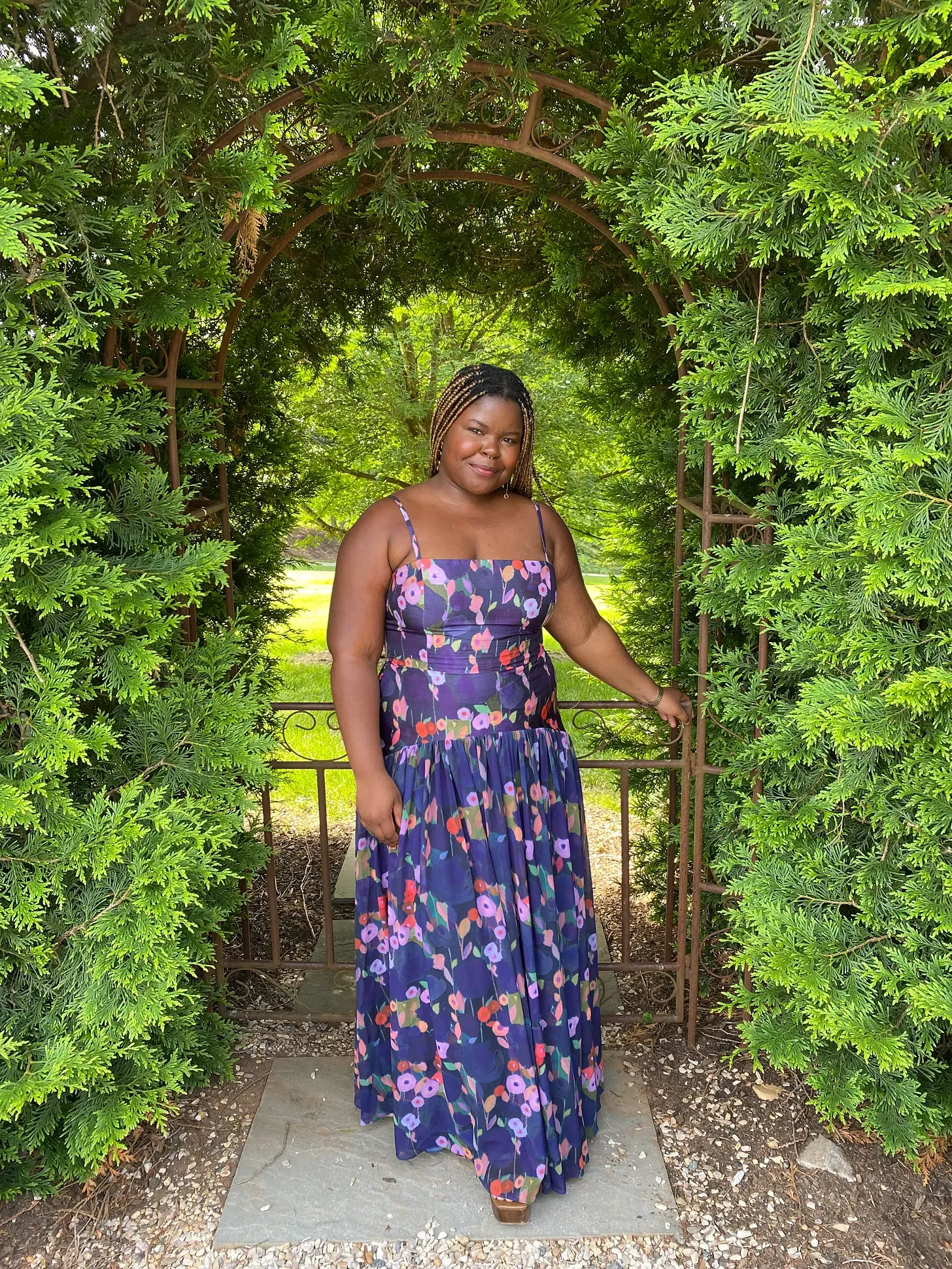
Q: Introduce yourself, your pronouns, your work, and how you spend your time.
A: My name is Mbiye Kasonga, she/her/hers. I’m a writer and producer currently living in Washington DC. I own and operate a podcast production agency that I founded two years ago called Moyo. When I’m not working, I love to read, knit, and brunch.
Q: What was your style like when you were a child?
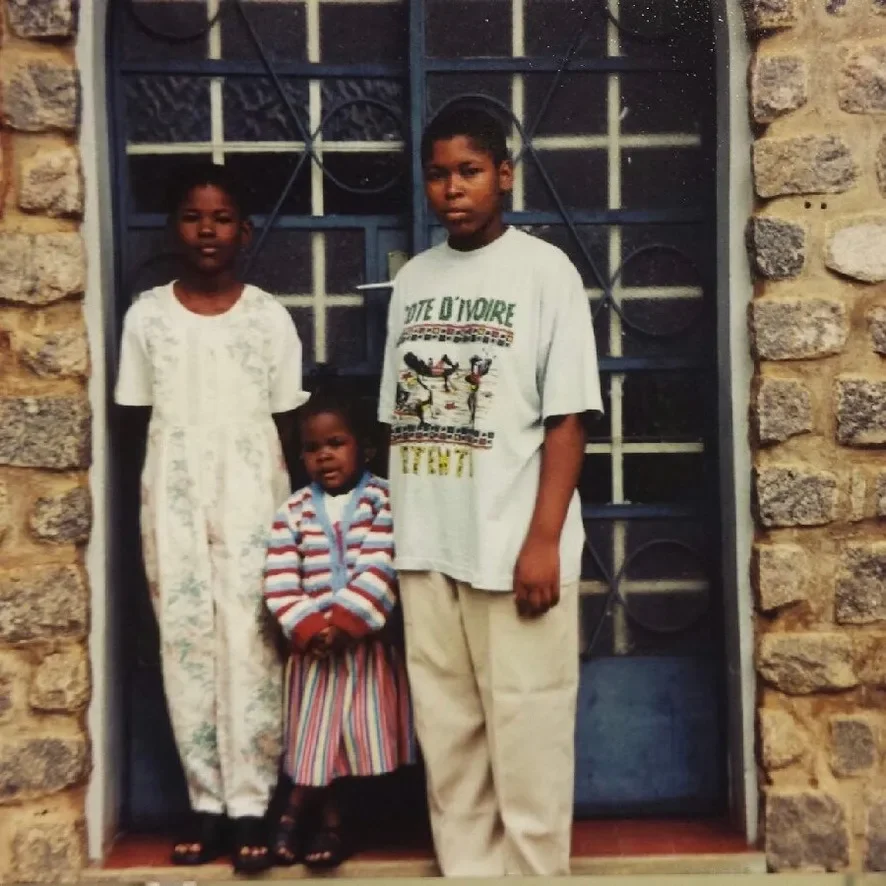
A: I was born in the Democratic Republic of Congo and moved to the US in elementary school. I love looking back on photos of myself as a kid, because I really believe my style has remained the same. I loved bright colors and patterns, and I LOVED dresses. There’s a great photo of me as a toddler wearing a striped sweater and skirt, leaning back on a door, clearly feeling myself. I’d wear every single thing I had on in that photo today, and I love putting that photo up against some of my “grown up” outfits because I can see the throughline in my fashion sense so clearly.
Q: Growing up, what messages were you given about what you should or shouldn’t wear (and from whom or where do you think those messages came)?
A: I’ve always been curvy, and specifically, I’ve always had a big butt. I find it so funny that we’re in the BBL era, where women of all races are trying to get bigger butts. I remember being asked “why I was sticking my butt out” as a kid, and being told by my Aunt that I couldn’t wear certain things because of the shape of my body. I learned early on that I couldn’t wear things that other little girls wore, and it was encoded in me early that my body was inherently seductive. That theme carried on as I got older; I can recall my boss at an internship telling me I was dressed inappropriately and that I would distract people when I wore a long-sleeved, knee-length dress.
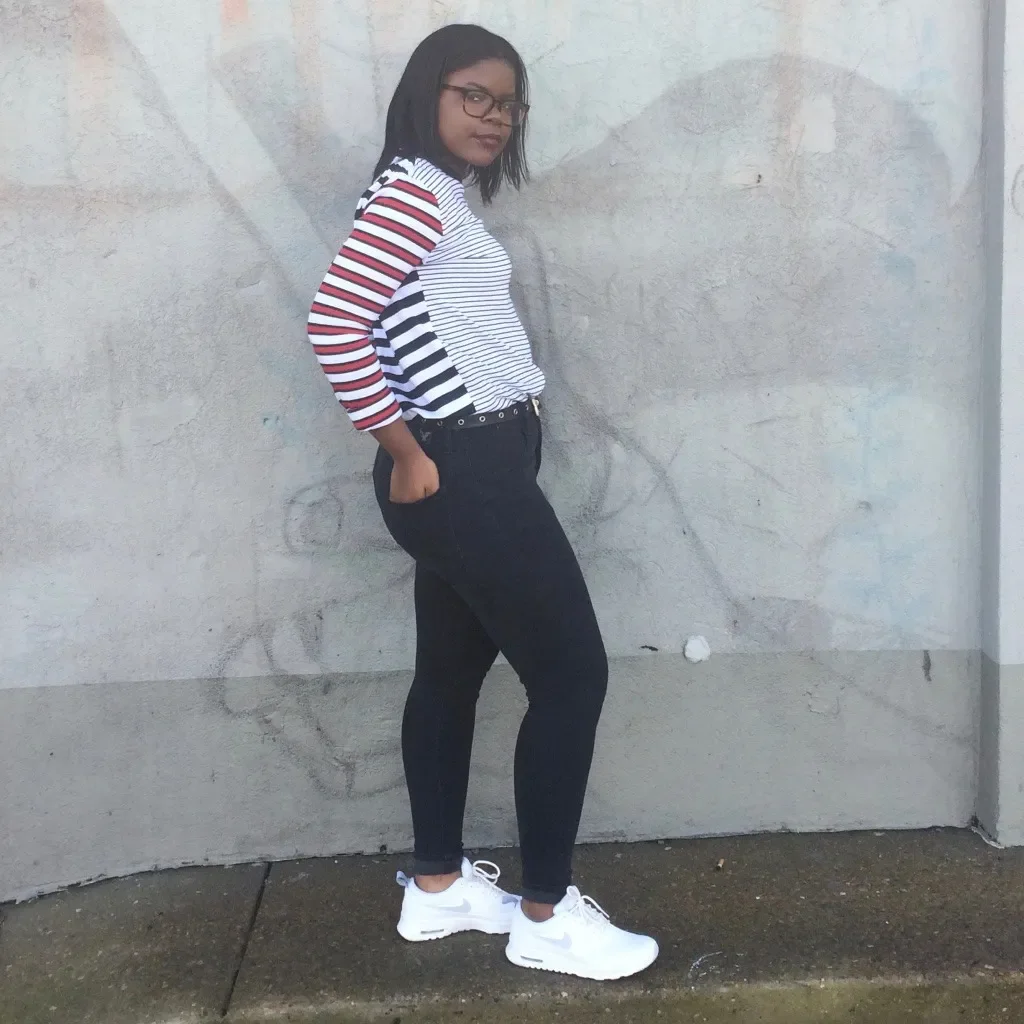
Q: How has your style evolved since you were younger and what phases have you gone through with your style (i.e. high school grunge phase, early working days business casual phase, etc)?
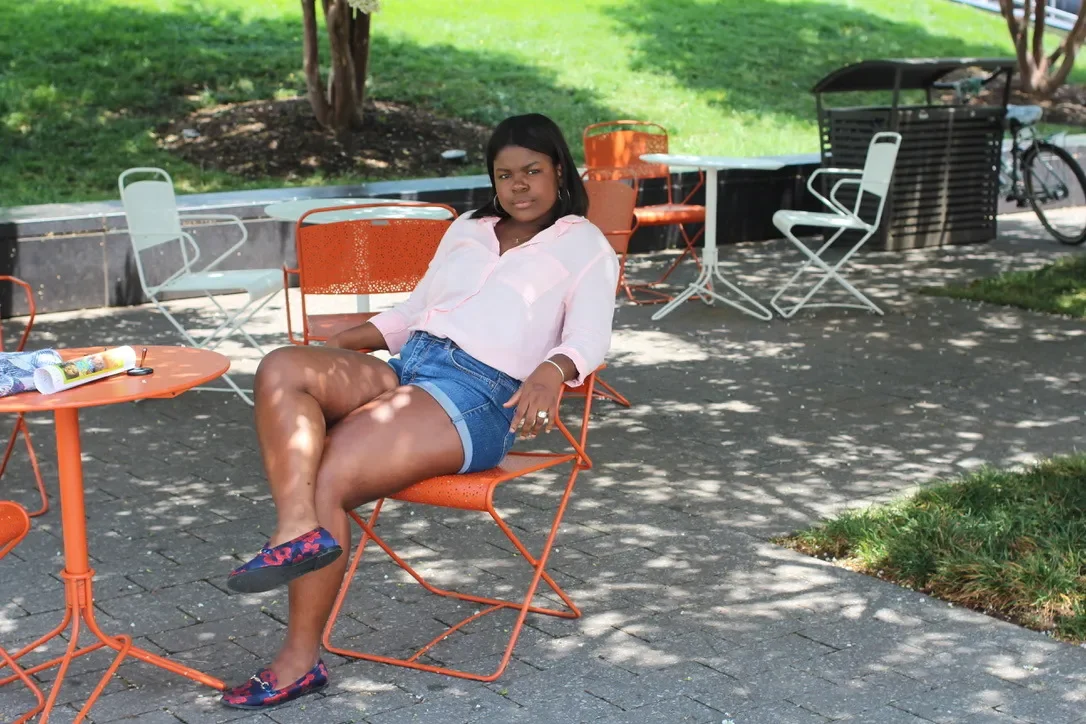
A: From 16-20, I went through a pretty obsessive prep phase. I grew up in Virginia, the land of Lily Pulitzer dresses and Jack Rogers sandals, so preppy style was in the water. When I got my first retail job, I immediately started spending my meagre earnings on collared shirts, patterned loafers, and sterling silver signet rings.
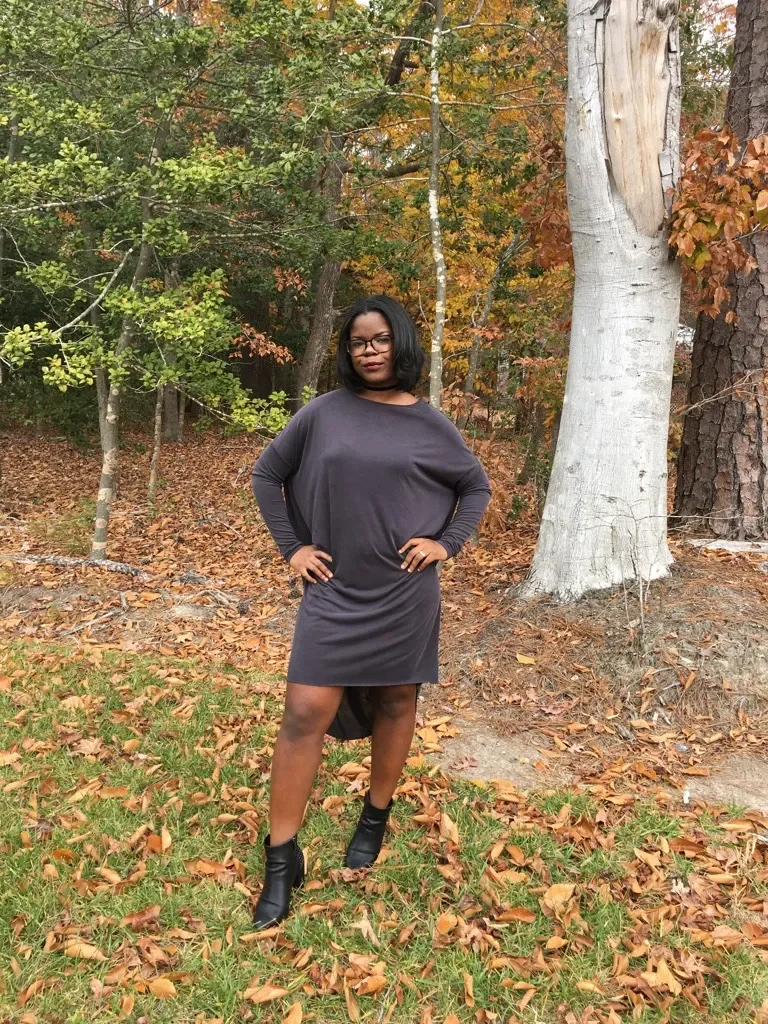
Indie sleaze was all the rage through my college years, and I completely embraced it. Every outfit needed a choker. These rock-stud-inspired ankle boots were my favorite pair of shoes. My favorite accessory was a matte burgundy lipstick. It was the best of times, it was the worst of times.
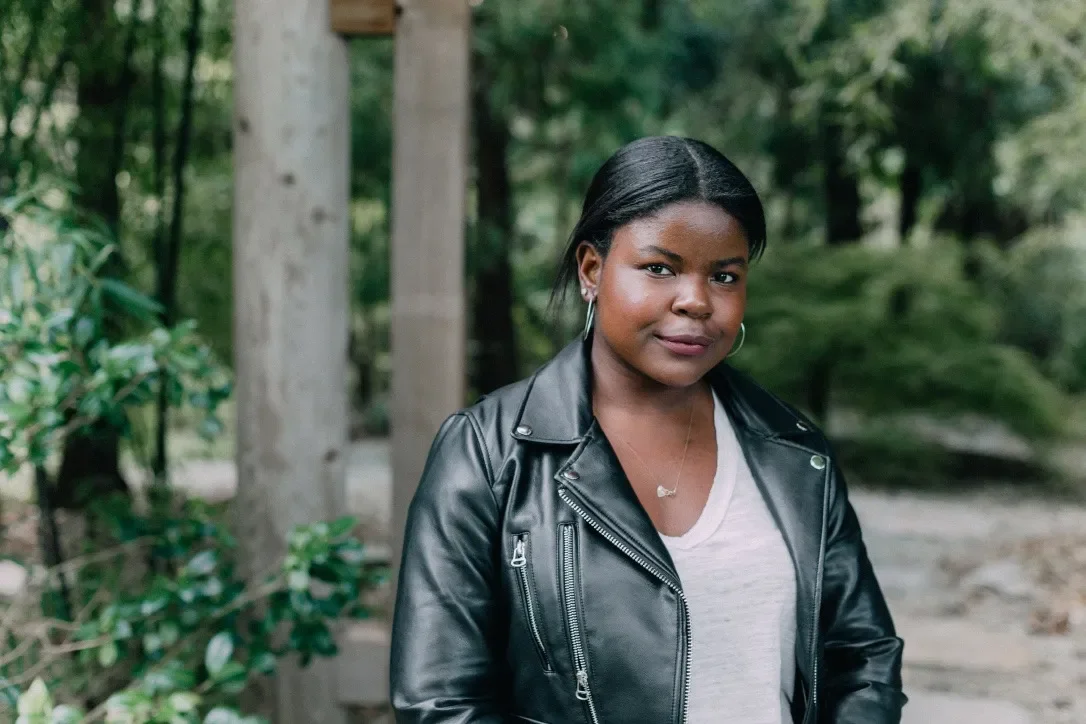
Fast fashion was my lifeblood as a young woman. I don’t know if this phase has a neat name, but I feel like we all go through a few years of trying to figure out what we want to look like, and fast fashion makes it easy to cycle through trends. My fast fashion era included Zara leather jackets that neither insulated my body nor shielded me from the wind, bodycon dresses from Forever 21 that fell apart at the seams, and bodysuits from Urban Outfitters.
Q: How have external pressures to conform to the ideal standard of beauty and the thought of how others view you affected your style?
A: Beauty standards definitely stopped me from wearing crop tops in early undergrad, when I was hung up on the idea that my stomach wasn’t flat enough. Thankfully, since then, I’ve cared less and less about my body not looking “right” with each passing year. Being more accepting of my body has made fashion more fun for me; once I stopped preemptively excluding myself from certain cuts or silhouettes, I started experimenting more and dialling in on what I actually liked, not just what I thought was flattering.
Q: How have your sense of style and shopping habits shifted along with changes in your body?
A: My body has changed so much over the course of my 20s. When I started college, I was a size 4 and wore an A cup. By the time I graduated, I was a size 8 and wore a C.
Just as I was getting used to my new body and adult life, the pandemic began. Over the next two years, I gained 50 pounds and had to work harder than ever to dress myself. Gaining weight forced me to break free from the cycle of buying fast fashion. My body needed clothes that could actually hold up, clothes that could grow or shrink with me as needed. The fast fashion wardrobe I had spent my early 20s accumulating no longer served me, so I had to start from scratch. I sought out sample sales and started studying the clothes I was buying more carefully. Putting on pieces from brands like Mara Hoffman felt so different from my usual Zara purchases; the quality gap was hard to ignore. Gaining weight made me realize that we ask way too much of our bodies and not enough of our clothes. Now, I shop with an eye toward what can grow with me, not just what looks good right now.
Q: What barriers do you encounter in trying to express your style? Are there any situations or spaces you feel your style prohibits you from accessing or gives you better access to?
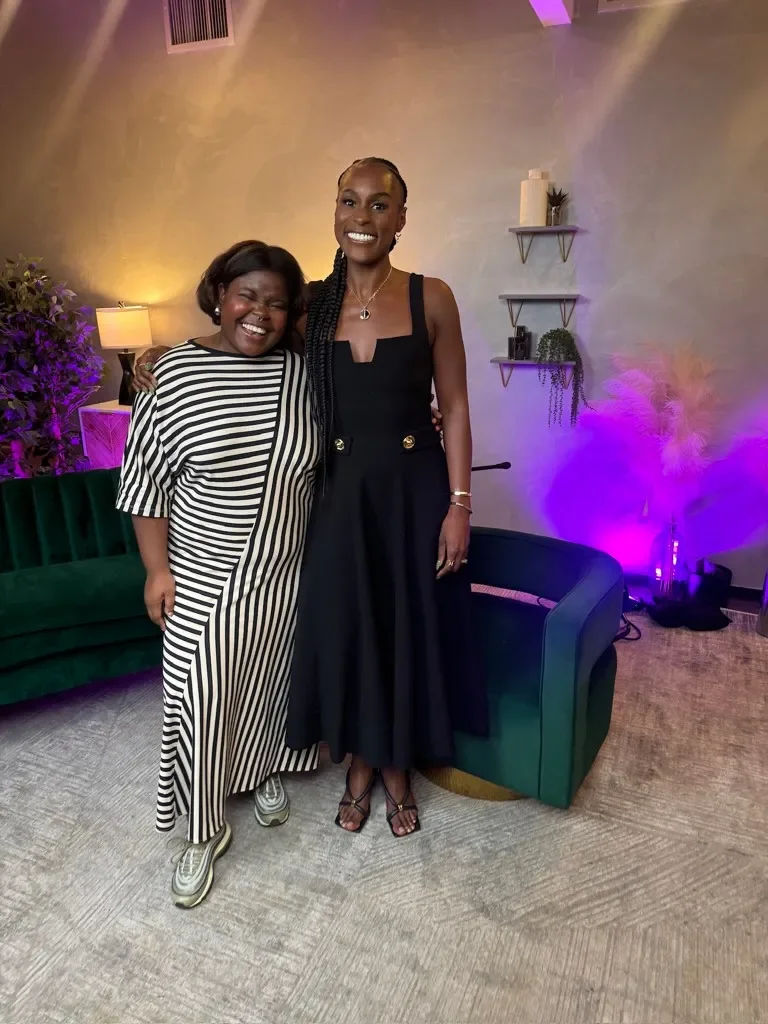
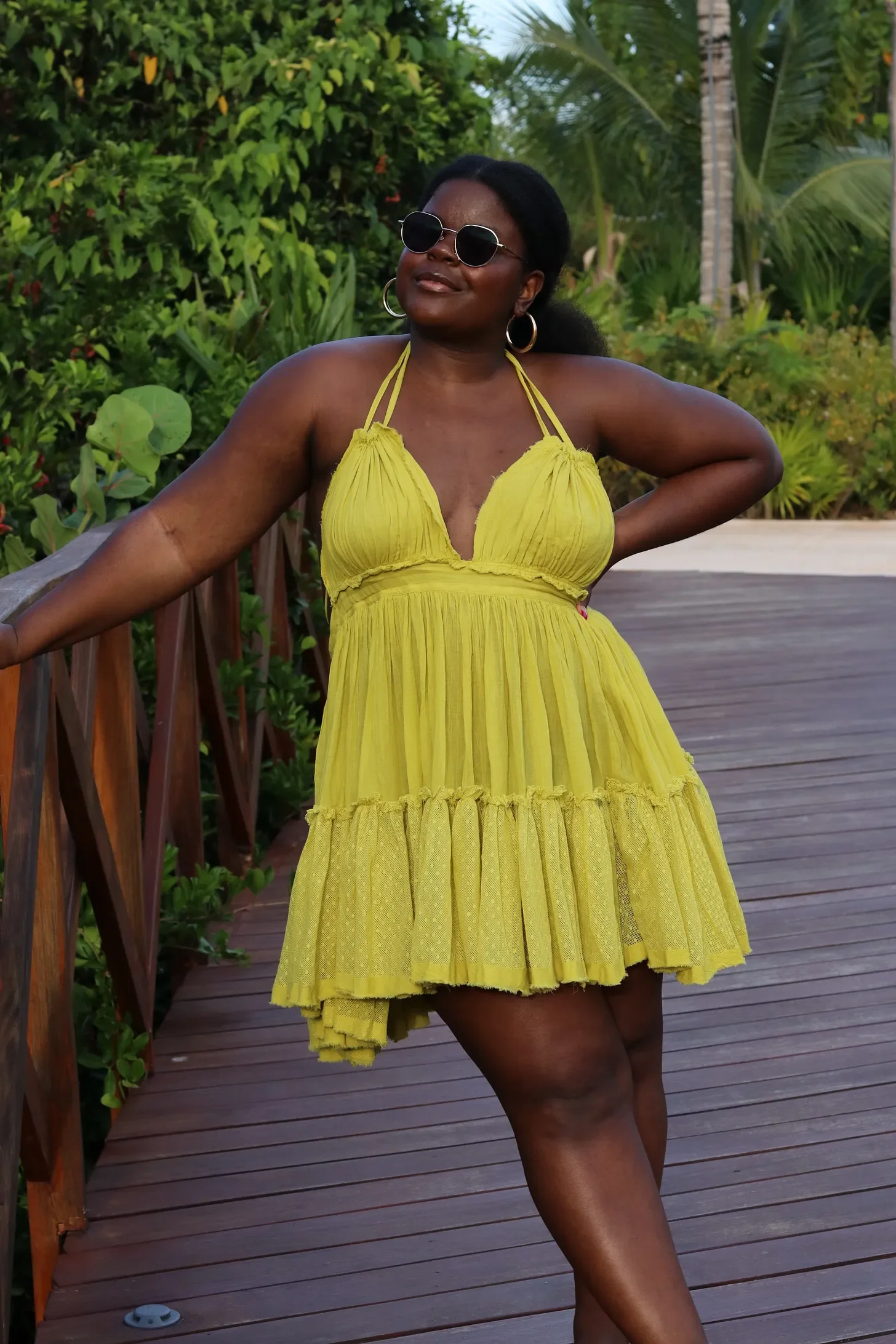
A: Since I now work for myself full-time, I really don’t feel restricted in what I wear. Prior to this, I worked in a consulting firm, and before that, I was in business school, so I spent a lot of time trying to feel comfortable in work dresses and non-offensive, smart casual outfits. Business clothes just don’t feel like “me.” Now I wear whatever I want to work from home. I spend about half the week in PJs, either long swishy free people pants + tanks or a pant set from Aerie. The other half of the week, I’ll actually put on an outfit. I tend to rotate between Doen dresses (the brand has gifted me many times over, I have never purchased with my own money), a t-shirt + jeans (Levi’s, Free People, Everlane), or something from the vast collection of dresses I actually *have* spent money on.
Q: Do you have any style icons? Who are they?
I don’t spend a TON of time on Pinterest, but when I do, I find myself pinning outfits from the same three people over and over again:
Chrissy Rutherford, Telsha Anderson, and Lindsay Peoples.
Chrissy is a mainstay for me. I love how she pulls together outfits that feel slick and essential, but not minimal. She repeats outfits a lot, which gives me lots of inspiration for styling things in different ways. Telsha has so much fun with her clothes, I look to her for examples of how to be more daring while staying unfussy/fun. Lindsay’s street style photos from fashion month are always killer. She’s editor in chief of The Cut and always at some fabulous party, so I love looking to her for event dressing.
Q: How would you define your current relationship to clothes and style?
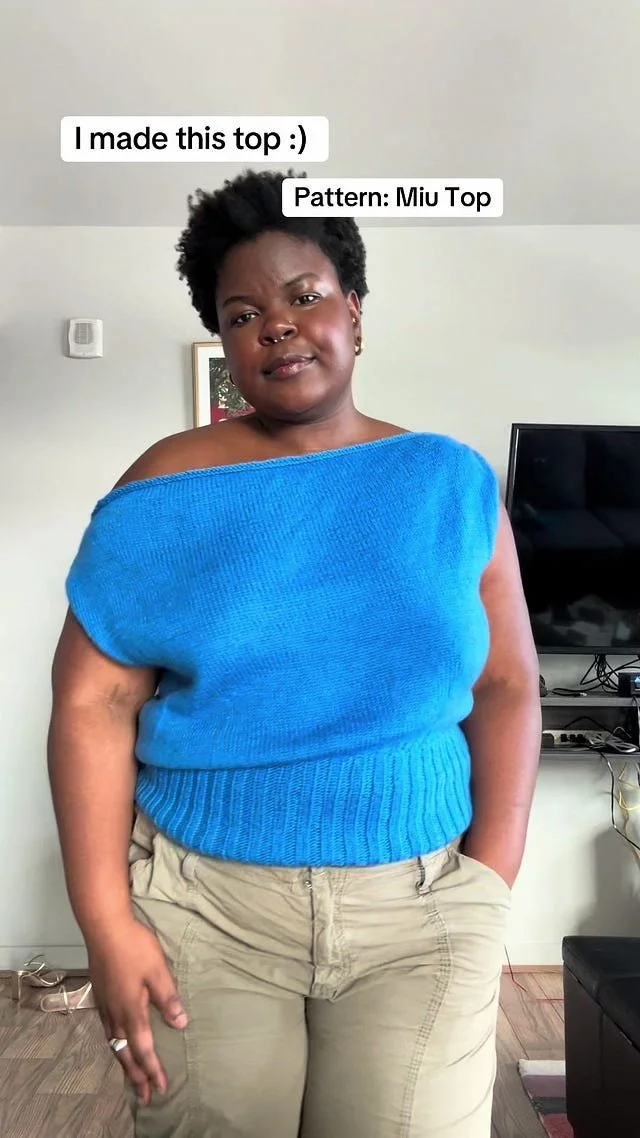
A: I am more in love with fashion than ever, mostly because I know exactly what I like (comfortable, colorful, whimsical clothes) and what I don’t (stiff, colorless, normative clothes). I’ve also started knitting, which gives me total creative control over my clothes. I finished my first garment earlier this year and I’m excited to make more.
Q: What makes your style authentic to who you are today?
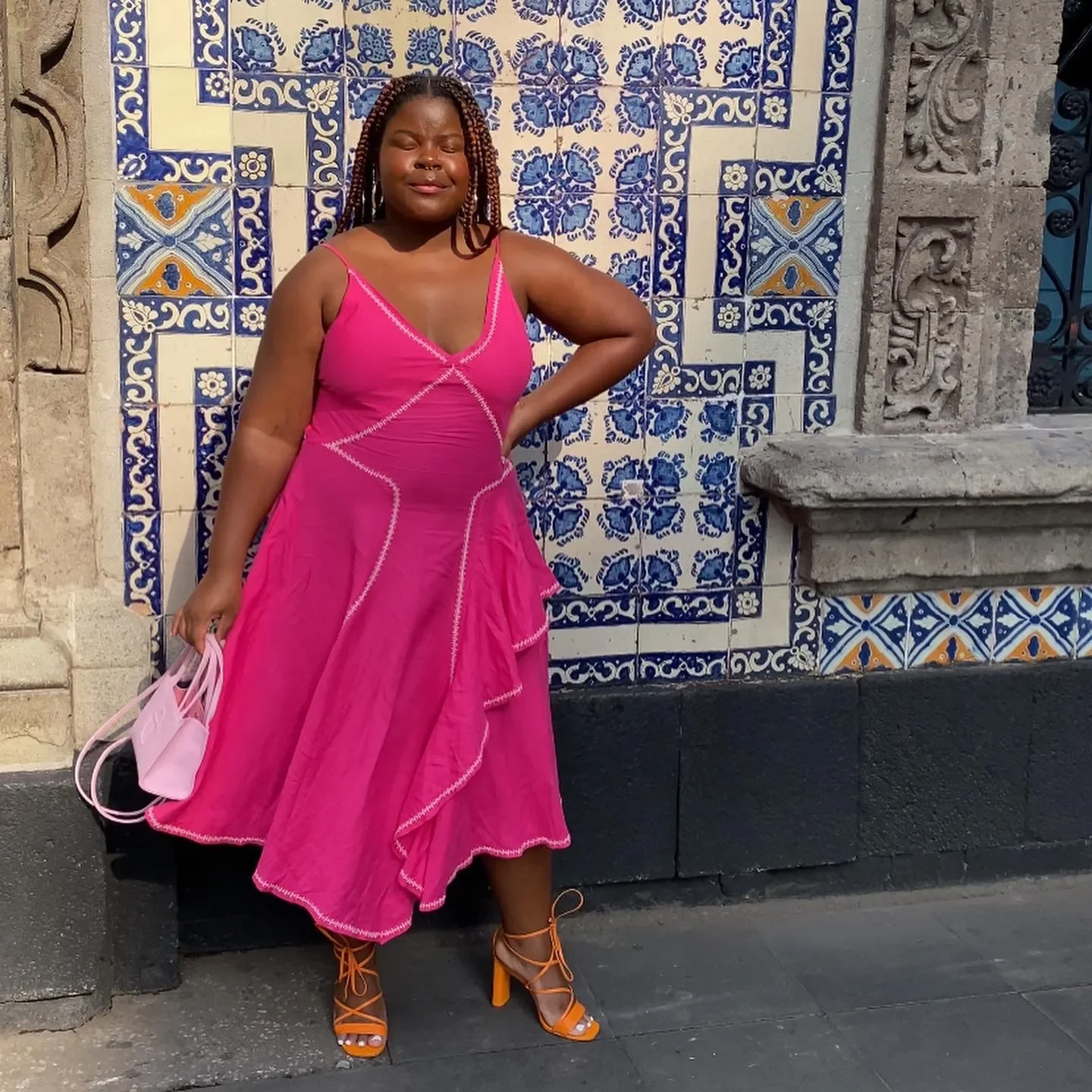
A: I give myself full permission to lean into the clothes I love. I’ve always liked dresses, and I have a million of them, I’ve always gravitated toward color, and now I let myself color block/wear a ton of color without a second thought. In the Congo, there was so much color and we really aren’t afraid of prints at all, I think fashion-wise I’m really just going back to my roots.
Q: Do you wear anything that’s conventionally considered unflattering?
A: Horizontal stripes, denim cutoffs on thick thighs, clogs, and my afro.
Thanks so much, Mbiye! I absolutely love how clearly connected to your childhood style you are. It’s something I think is helpful for everyone to reflect on! Also, I know many of us have had that fast fashion period that we’re not proud of, I certainly did.
Go follow Mbiye on Instagram and TikTok, and subscribe to her newsletter, Choice Cuts.
P.S. You can read the style stories archives here, with stories from icons like Virginia Sole-Smith, Emma Copley Eisenberg, and Chrissy King.
A little extra tidbit for paid subscribers:
Q: Just for fun, what are 3 things in your wardrobe you’d recommend to others (could be a specific item from a specific brand or just a type of item you find useful)?
A: