maybe the answer is tailoring
even if it's intimidating
(originally published February 2026 via substack)
Hey! The Making Space group program will be open for enrollment on February 24th! In it, I’ll guide you through how to define your style, edit your wardrobe, and learn how to shop mindfully, all through an anti-diet and weight-inclusive lens. The program is asynchronous with an incredible group of humans building community through discussion and a couple of live meetings. Fall 2025 participant Ann said, “The magic sauce of this course is the warm, inclusive community you’ll build when you work on a meaningful project alongside like-minded humans.”
While my one-on-one personal styling work is paused, this is the only way to work with me directly. More details (including the sliding scale fee) and sign up to get early access here.
Four things happened in the same week.
A reader asked me the question below in an AMA.
A close friend was searching for pants that fit her waist-to-hip ratio.
An Instagram video of mine went mini-viral.
And while prepping for a podcast interview with Brianna Campos, I came across this video from Mighty Murphin Power Ranger.
Here’s the reader question:
“I’d be curious to learn more about how you support people who have a very hard time finding anything that remotely fits. I think that’s probably my biggest barrier when it comes to editing things in my closet. This has been especially hard as my body has changed over the last few years.
I might not love it, and it might not even fit all that well, but it’s still as close as I can get and somewhat functions as clothing, if you know what I mean.
Perhaps I just need to find a good tailor (why is that so stressful?) and budget that in to the process. And/or maybe I need to find the replacement items first so I feel safe letting go of the sad “make-do” items taking up space in my closet?”
My Instagram post was about how unsurprising it is that mass-produced clothing doesn’t fit our unique bodies, and there were many great comments about the need for alterations.
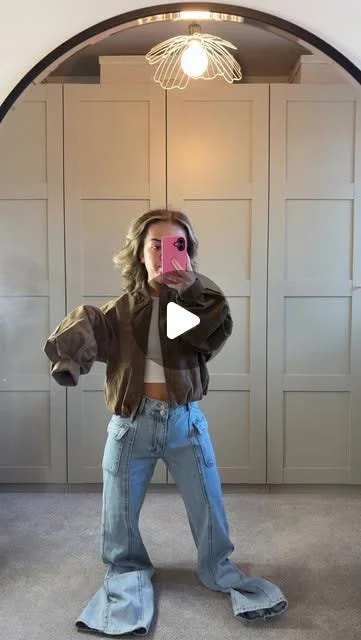
In Christine (a.k.a. Mighty Murphin Power Ranger)’s post, she spoke about trying on dresses and getting them tailored as just a matter of fact. I also follow a British woman with dwarfism who tailors every single item. The transformations are amazing. As for my friend, she eventually found pants she liked that fit, but my first suggestion was that she’d probably have to get something tailored.
My answer to the reader-submitted question above would be yes, find replacements for the make-do items before letting them go, and yes, find a tailor.
Are you seeing a pattern?
Unfortunately, I’m not sure there’s anything more daunting to deal with in our wardrobes than getting something tailored. There are a bunch of hurdles to jump: it’s expensive, it takes extra time and effort, your body might continue to change, and sometimes it feels just plain impossible to find a tailor.
To be honest, even as someone who deals with clothes for a living, I’m still a bit intimidated by tailoring. My frugal background is hard to push through, and in addition, I’ve been burned badly a couple of times.
Once, a dress I’d paid about $150 for was taken in way too much, and the tailor hadn’t left any seam allowance, so it couldn’t be fixed. That was from a tailor that my most snazzily dressed male friend recommended.
Another seemingly trustworthy recommendation from a friend who ran a designer consignment shop also turned out to be a disaster. I was working with a local bride who was wearing a white suit, and at that (highly recommended) tailor, the jacket also got taken in too much. I believe we ended up going with the suit jacket open and a colorful blouse underneath, but honestly, I’m not sure because it was such a stressful situation, I blocked it out.
I finally have two tailors in town that I recommend, but it took ten years to find them (granted, I wasn’t looking all that time). The one that is most convenient for me has fees that feel a little painful. I paid $50 to have a pair of pants taken in, and most recently, I paid $72 to have a voluminous formal dress hemmed. From what I’ve seen from content creators around the country, those prices are high, especially for a midwestern city, but at least I’m not (too) worried my garments will get ruined.
So I get it. I really do.
Also, I think tailoring may be one of the most practical ways to get clothes that fit1 and push back against overconsumption.
Fast fashion values speed, disposability, and profit margins over people.
Tailoring is slow, intentional, and human.
It’s a big mindset shift to start including the cost of tailoring into garments, but here are a few arguments for it:
You’re building a relationship with a local tradesperson in your community.
That skilled tradesperson is getting paid fairly for their work.
If you’re considering in adding the cost of tailoring, you have to be more thoughtful about what you buy.
More secondhand garments and garments in your own closet that never get worn could have a second life.
There’s no impulse or instant gratification; you have to wait to see the results — the epitome of slow fashion.
You’re able to get a better fit.
Could tailoring be a middle way? Could it be the closest thing we can get to the opposite of fast fashion?
In order for this to work, we have to start taking tailoring as a given, like Christine does. When we’re buying clothes, we should automatically add in the cost of tailoring, just as we would shipping or sales tax. If you buy a formal wedding dress, you expect to add the cost of tailoring, so why not clothes we actually wear more than once?
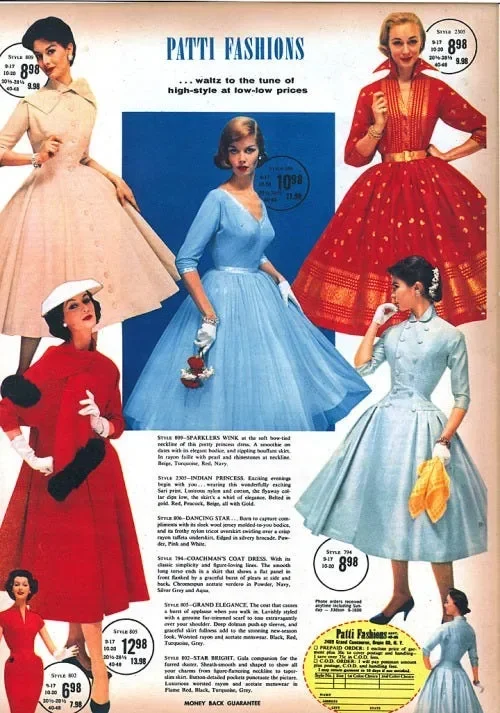
We also have to value clothing differently. In this piece, I mention how the percentage of Americans’ income spent on clothing has dropped drastically since globalization. Clothes used to cost more. People bought fewer items. They wore them longer. Alterations were expected — the cost was mentally built in. Ironically, we now spend much less per item but expect it to fit off the rack.
There is much to learn about the actual process of tailoring and what things can and can’t be altered. The best person to ask is always the tailor. I’m not an expert, but here’s what I’ve learned:
Easy alterations:
Hems - not only pants, skirts, and dresses, but also the length of a top (I’ve cropped many a shirt in the last few years), and sleeve length
Putting in darts to bring a dress or top in at the waist
Having extra snaps put between buttons if a shirt is gaping
Shortening tank top or dress straps (with some exceptions)
Adding or moving buttons on a waistband or jacket
Replacing a zipper
Repairing rips or holes
More difficult but still common:
Waists taken in
Waists let out
Having the pants’ leg width adjusted
Moving the waist up on the torso if it’s hitting too low
Very difficult:
Changing the shoulder location
Altering items made in certain fabrics, like chiffon, silk, or thin knits
Altering sweaters (there are some specialized knitters who can do this)
Just to hammer the point home, here are a few comments from the Instagram post I shared above.
Wasn’t ready to wear originally meant to be tailored? I think with the rise of fast fashion and the decrease in prices, people no longer deem it “worth it” to have something tailored so now things are expected to fit straight off the rack when that’s never possible for everyone, but also I believe it was never intended to.”
Third option: find things that almost fit and tailor them, or get them tailored. I taught myself to sew altering clothes from the thrift store and now I do it for a living.
My mum was a tailor before retirement and the clothes that look best on me are her bespoke creations
I have just a few brands I can and will shop but then I also do some light tailoring of my own clothes. I’m plus-size (read average American size) and short but very curvy. Everything is too long or fits like a paper bag to accommodate my bust so a little light tailoring is a must to get a flattering fit.
Thrifting and consigning, then hand-sewn alterations. Developing my own modification techniques has opened up the world to me!
This is very interesting! I own 7 pairs of jeans and they have all been altered by a tailor to be a bit looser around the tummy - because I am 43 and my waist just isn’t as thin as the jeans designers seem to think it needs to be? It’s an investment but honestly it feels wonderful (if you can, get them to add a little triangular piece of fabric in both sides, that’s the prettiest way to do it)
There is a middle way, which is to have mass-produced clothes tailored to fit. The main objection to this is usually cost, because we have become accustomed to paying low prices for garments made by cheap labour overseas. Good tailors exist in most major cities and large towns, and even smaller places will usually have a dressmaker who will do alterations.
You don’t have to fully make your own clothing, though; a little bit of tailoring skills go a long way. Shortening hems, sleeves, taking in darts and waistbands isn’t really that difficult. Used clothing was on the market way before the industrial era, both inherited and sold, so the expectation that everything needs to fit perfectly is also quite new.
Maybe the real barrier isn’t finding clothes that fit. Maybe it’s unlearning the expectation that they should. Ready-to-wear was never meant to be ready-for-you, yet we’ve absorbed the idea that if something doesn’t fit straight off the rack, our bodies are the problem.
Tailoring asks us to slow down, to commit, to invest in fewer pieces and shape them to our lives instead of constantly searching for something new. It isn’t always convenient or cheap, but it might be the closest thing we have to a middle path between make-do and overconsumption. And for many of us, that shift in perspective is where the real transformation begins.
What do you think? Have you been intimidated by tailoring? Are you motivated to try again?